Home/For Business
For Business

Transformation rarely stalls on strategy.
It stalls on alignment.

Corporate coaching works on how a group of people makes decisions together. From team conversations to one-to-one with the person holding the wheel, the aim is the same: put the disagreement that already exists on the table, then re-rank it.

How we work

Two kinds of work: the team, and the person inside it.

One works on how we decide together; the other on how you decide alone. The first changes meetings, delegation and the way conflict gets handled. The second changes how someone reacts under pressure. Most engagements run both, in a ratio that shifts by phase.

Name the tension→Reframe the choice→Stand and sustain

Team coaching · team dialogue and collaboration

For executive teams and business units in transition: put what is being avoided on the table — who is walking around what, where decision rights jam, how conflict actually gets handled. Culture gaps in overseas teams and the head-office-versus-local judgement call are handled here too. Not team building: making this group able to keep doing hard problems together.

3–6 roundsmostly on-site

Executive one-to-one

For C-suite and business-unit leaders. Decision pressure, role change, the real disagreements inside reporting lines. The goal is not to make them work harder, but to keep making decisions they can still recognise as their own when information is incomplete and the pressure is high.

6–12 monthsfortnightly
The process

Four steps, from diagnosis to landing

The first conversation is free and comes with no proposal — we check whether coaching is the right instrument at all.

Formal engagement

Diagnose

Align with the sponsor (usually HR or the business head): the real issue, success criteria, and the boundaries not to cross.

Design & match

Recommend format, cadence and participants, with pricing; confirm the fit between coach and coachee.

Deliver & review

1:1s or workshops run to rhythm; after each round the sponsor gets a process note with no personal content.

Close & hand over

Turn the change into mechanism — meetings, delegation, feedback — rather than leaving it as a good feeling.

Steps 1–2 are scoping and preparation; steps 3–4 are delivery. The two phases are quoted separately.

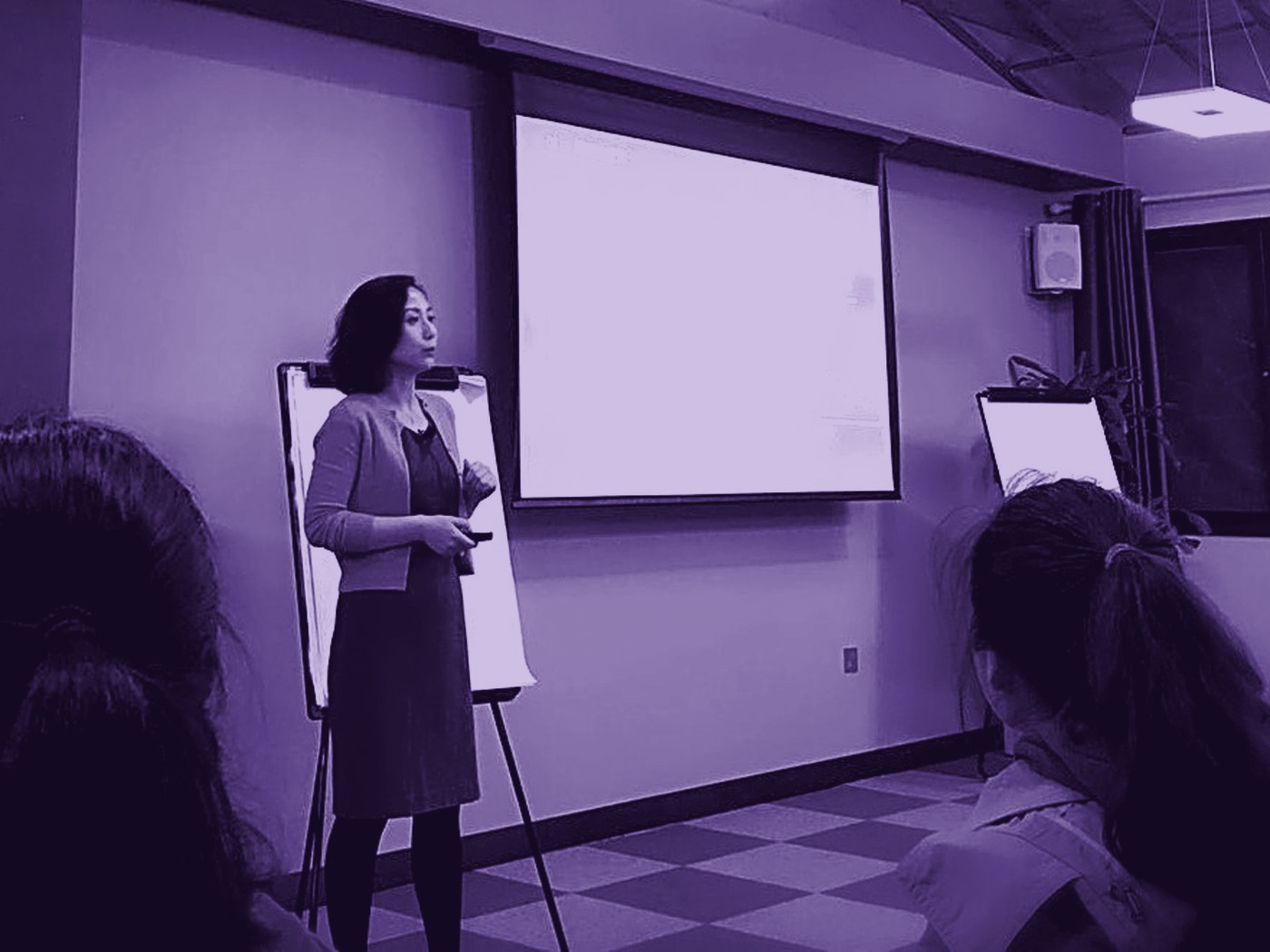
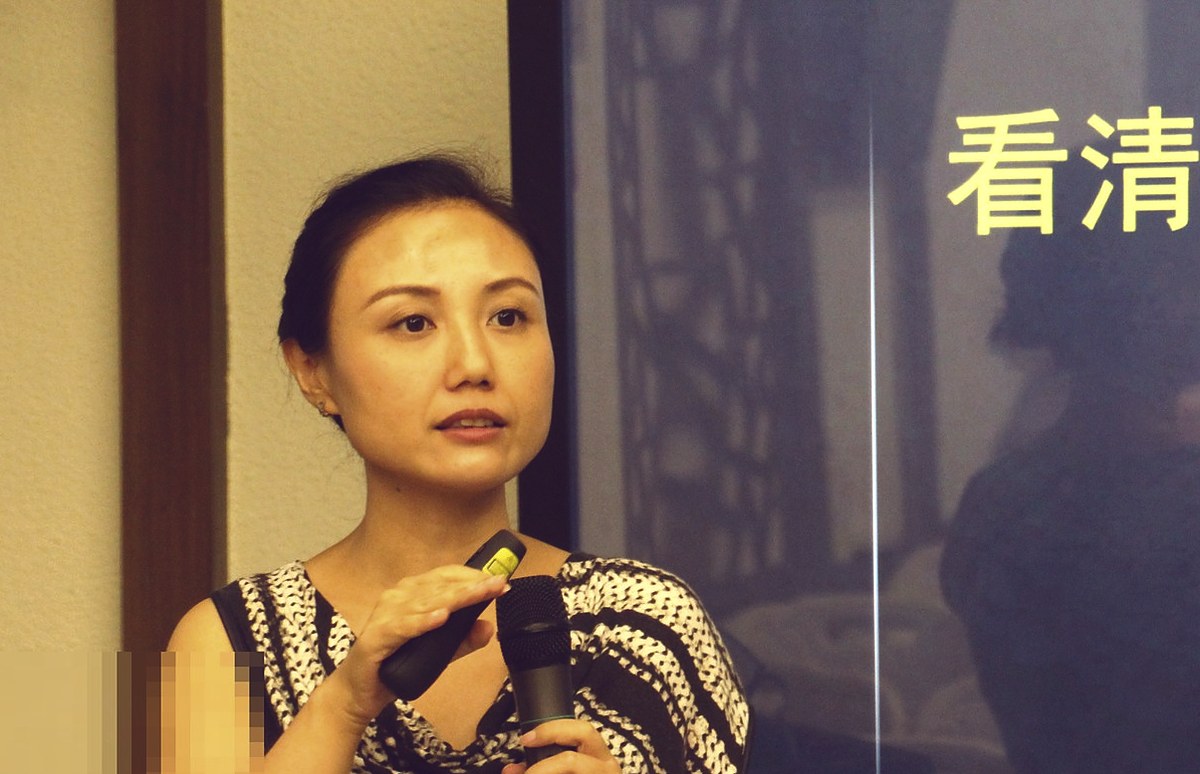
Speaking at a startup programme, the screen behind reading 看清 — see clearly
Startup programme · Talk

ON STAGEA talk hands over methods; judgement is harder to hand over. The two characters left on the screen — 看清, see it clearly — are what coaching is for: see what is inside you and what is outside first, then decide whether to move.

Case · Business

One example: a diversified group in transition

Case details are anonymised. Some content may be altered or merged to protect clients.

RESULT

Two transition roadmaps now have a blueprint; the intentions, roles and accountability of six key executives are on the table for the first time.

TO BOverseas

A diversified group: two transition paths, one head-office tension

Context: A diversified business group. The asset-heavy arm was bringing in strategic investors, opening the door to domestic and cross-border M&A; the asset-light arm was rebuilding on policy and fund support.

Blocker: Cross-border governance rules, board composition and decision rights, and head office versus regional execution all collided. Above all, several senior executives who were already financially free could leave — or start their own ventures — at any moment.

Approach: Research interviews up front; 11 months of team coaching (one- to two-day workshops monthly) plus fortnightly one-to-one sessions with six key executives.

Result: An initial blueprint for a three-to-five-year M&A roadmap on the asset-heavy side and a one-to-three-year rebuild roadmap on the asset-light side; next-step intentions and a role-and-reward plan for key executives; a succession plan launched; a framework for incentive reform.

11 monthsteam coaching
6one-to-one
3pilots launched
See all→

Start with 30 minutes, then decide

The first conversation is free and needs no preparation. Calendar or email — one place to start.